
Oil & Gas Coatings and Tank Lining
Baked-On Linings for Gulf Coast Refineries and Petrochemical Plants
Delta Coatings & Linings has applied baked-on fluoropolymer and epoxy systems from our Baton Rouge facility since 1973. Plant maintenance teams and EPC firms across the Gulf Coast use our oil and gas coatings to protect tanks, piping, pumps and valves that handle hydrocarbons, brine, caustics and heat every day.
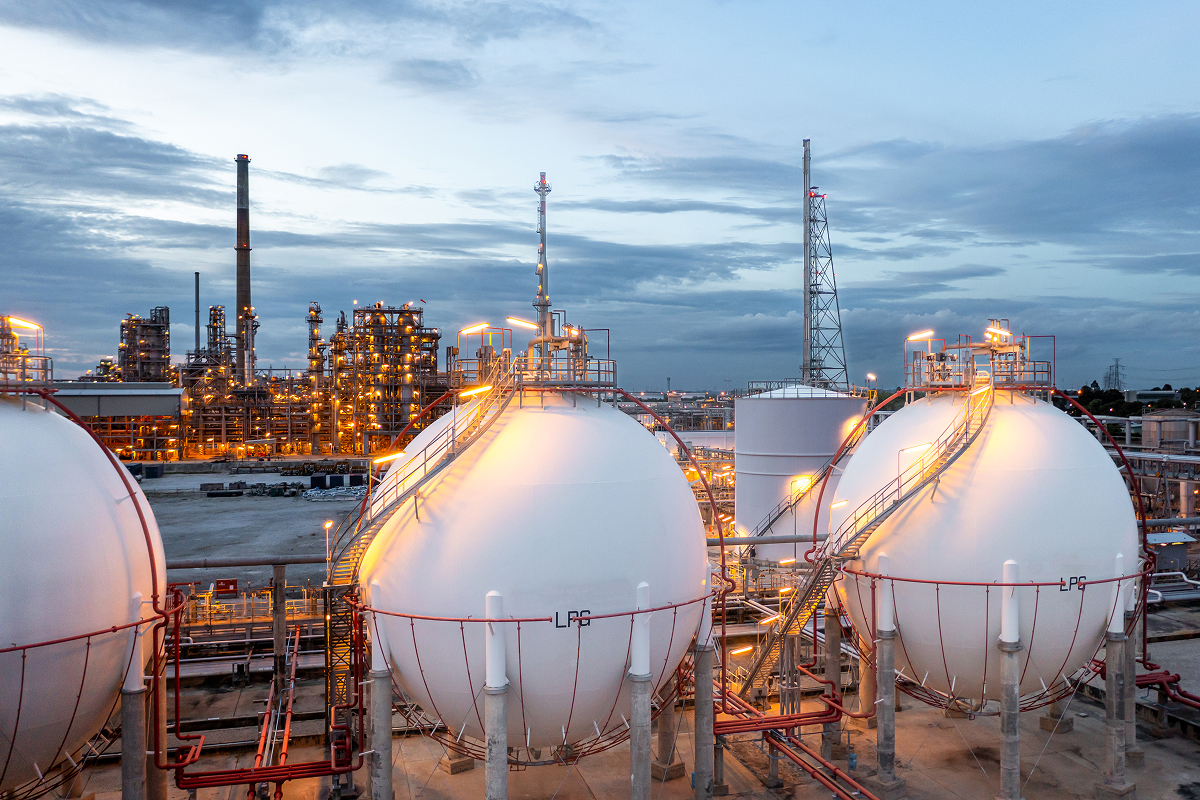
Where Oil & Gas Equipment Fails
Equipment in the oil and gas service sector faces threats from all sides. H2S and brine will corrode bare steel. A tank lining that doesn't suit the chemistry can blister and allow process fluid to reach the metal underneath. Sand and grit carried in the product stream will eventually wear down the interiors of pumps and pipes, and repeated heating and cooling will strain the bond between the coating and the steel.
Any one of these can take a unit offline before the next turnaround. That is why we review your fluids, temperature, flow conditions and failure history together before we recommend a coating system.
Oil & Gas Coatings by Material
We match the material to your service conditions. These are the systems our oil and gas customers ask about most.
- PTFE: Maximum use temperature of 392°F. PTFE resists corrosive chemicals and forms a thin film of about 1 mil, suiting valve components and fasteners that require release and low friction.
- PFA: Continuous working temperature up to 500°F. Its nonporous film acts as a permeation barrier against hot chemical vapors and gases, and a liquid version can coat closed vessels with limited internal access.
- ECTFE (Halar): Resists many harsh chemicals up to 300°F, including sulfuric and nitric acid. Halar adds outstanding abrasion and thermal shock resistance and handles full vacuum service across the entire pH range.
- Epoxy: 3M Scotchkote Fusion-Bonded Epoxy 6233 protects internal and external pipe surfaces in hydrocarbons, corrosive soils, harsh chemicals and seawater, with improved cathodic disbondment resistance on buried lines.
- Epoxy-Phenolic: Hempel Phenolic Epoxy 163US lines tank and pipeline interiors in crude oil and brine service, and resists caustics and solvents. Acid resistance is poor against most acids, except phosphoric and fatty acids. Acid service usually calls for a fluoropolymer.
Not sure which fits? See our corrosion-resistant and chemical-resistant coating applications, or send us your service data, and we will recommend one.
Tank Lining for Chemical and Hydrocarbon Service
We line new tanks before they go into chemical service and coat tanks already showing corrosion. Our baked-on linings are applied to a fully prepped surface and heated evenly from floor to ceiling to maximize adhesion.
Because the bake happens at our Baton Rouge facility, include tank dimensions so we can confirm fit before we quote. The same process covers pumps, valves, piping and ducts, including worn pump housings we strip and recoat.
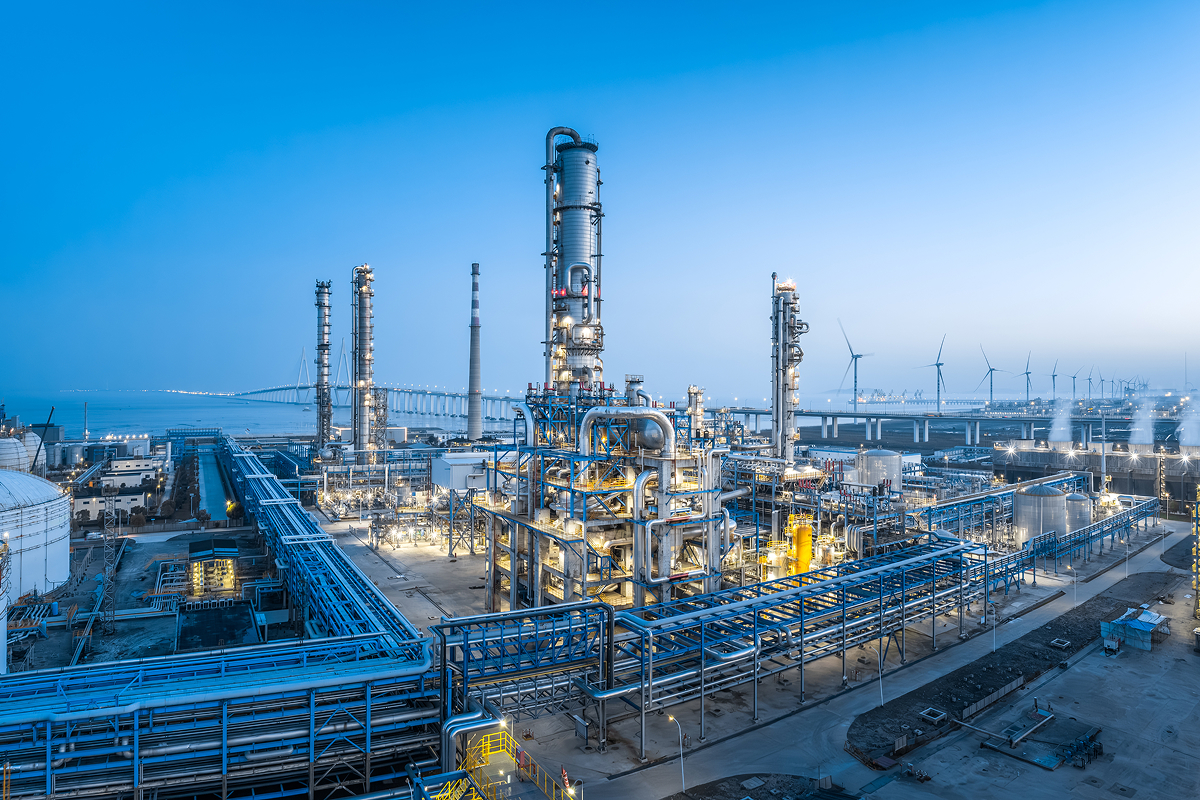
Close to the Plants Along the Gulf Coast
As an oil and gas coating company based in Baton Rouge, we sit on the Mississippi River industrial corridor among the refineries and petrochemical plants we serve. Short transit matters when your team is working against a turnaround schedule.
What to Expect From Our Process
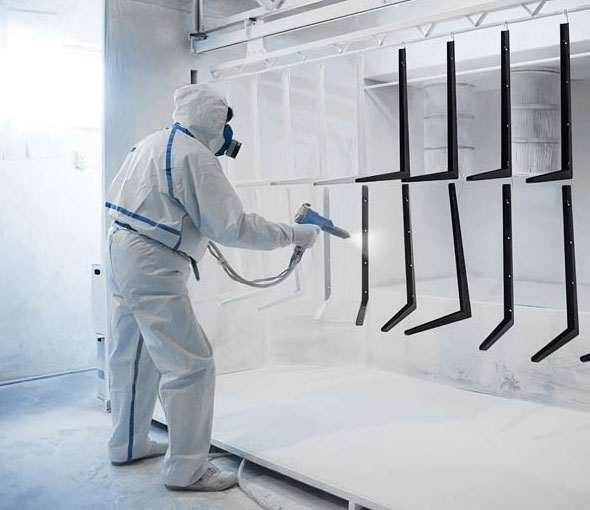
Every job starts with your service data: fluids, temperature, pressure and failure history. From that, we recommend a coating system and apply it by electrostatic or dispersion process, then bake the part evenly. All baked-on linings are applied at our Baton Rouge facility under documented quality control.
We run a 24/7 facility, work with maintenance teams during turnarounds and emergency repairs, and can turn some parts around within 24 hours.
Send Us Your Service Data
Share part drawings or tank dimensions, service fluids, operating temperature and pressure, and failure history. We will recommend a coating and application for your equipment.
Phone: (225) 224-3624
Email: contact@deltacoatingsandliningsbr.com
Mon to Fri, 7:00 AM to 5:00 PM
Frequently Asked Questions About Oil & Gas Coatings
What are oil and gas coatings used for?
They form a barrier between process fluids and the base metal, protecting equipment from corrosion, chemical attack and wear. Some also add a non-stick surface so product does not build up.
What is tank lining, and when do you need it?
A tank lining is a protective layer on the inside surface of a tank, so the stored fluid never touches the steel. You typically need one when the contents are corrosive, when a new tank is going into chemical service, or when an existing tank shows corrosion or pitting.
How can you tell a tank lining is failing?
Look for blistering, cracking, peeling, discoloration and rust staining, along with leaks or contamination in the stored product. Catching these early often keeps the repair smaller, so inspect on a regular schedule.
How long does a tank lining last?
There is no single interval. Service life depends on the fluid, temperature, wear and how the lining was applied, so base your replacement schedule on inspection results and your own equipment history.
What should I look for in an oil and gas coating company?
Look for experience with your process chemistry, a clear method for matching the coating to your service conditions and a controlled application process. Ask where the work is done, how it is documented and whether the company can share references from similar facilities.
What Our Clients are Saying
50+ Years of Serving Clients with Stellar Satisfaction

Robert
Project EngineerExcellent Powder Coating Work! I had a rush job and Delta had my equipment Halar coated and back to me the next day. The finished product is beautiful and I have every belief the corrosion resistance will last a lifetime.